

WILLS, ESTATES & TRUSTS
Florida estate planning attorney helping individuals and families protect what matters, prepare for the unexpected, and make their wishes clear.
Planning for the future can feel overwhelming, especially when it involves difficult questions about illness, incapacity, or death. However, putting the right legal documents in place now can provide clarity for you and greater security for the people you love.
At Pietrowski Law Practice, we help clients create practical, personalized estate plans based on their families, property, concerns, and long-term goals. Whether you need a straightforward will, want to establish a trust, or are responsible for administering a loved one’s estate, Attorney Amy Pietrowski can guide you through the process with compassion and straightforward legal advice.
We assist clients with estate planning and administration matters including:
Last Wills and Testaments
Revocable Living Trusts
Testamentary Trusts
Trust Planning and Administration
Durable Powers of Attorney
Health Care Directives
Living Wills
Designation of Health Care Decision-Makers
Guardianship Nominations for Minor Children
Beneficiary Designation Reviews
Estate Plan Reviews and Updates
Probate and Estate Administration
Executor and Personal Representative Guidance
Distribution of Estate Assets
Creditor and Estate Debt Issues
Small Estate Matters
Planning for Incapacity
Clear guidance. Personalized documents.
Greater peace of mind.

START YOUR ESTATE PLAN
ESTATE PLANNING F.A.Q.
An estate plan is more than a collection of legal documents. It is a set of instructions for the people you trust, explaining how you want important personal, financial, and medical matters handled.
The right plan depends on your family structure, assets, property ownership, health, residence, and goals. Contact us to prepare your estate plan today.
-
Estate planning is the process of preparing legal documents and instructions for the management of your affairs during your lifetime and the distribution of your property after your death.
A complete estate plan may address:
Who should receive your property
Who should manage your estate
Who should care for your minor children
Who can handle financial matters if you become incapacitated
Who can make medical decisions for you
How property should be managed for children or other beneficiaries
Whether a trust would help accomplish your goals
How your loved ones can carry out your wishes
Estate planning is not limited to preparing a will. Depending on your circumstances, your plan may also include a trust, durable power of attorney, health care directive, living will, and other supporting documents.
-
A will allows you to state who should receive certain property after your death and who you want to oversee the administration of your estate. It may also allow parents to nominate a guardian for minor children.
Without a valid will, property subject to probate is generally distributed according to state law rather than according to personal instructions you may have expressed informally.
A will can be important even when you do not consider yourself wealthy. Homeowners, parents, business owners, unmarried couples, blended families, and individuals with specific wishes may all benefit from having a properly prepared will.
-
A will generally provides instructions for distributing probate property after death. It can name beneficiaries, nominate a person to administer the estate, and address guardianship preferences for minor children.
A trust is a separate legal arrangement through which a trustee manages property for designated beneficiaries according to written instructions. Depending on how it is created and funded, a trust may operate during your lifetime, after your death, or both.
Trusts may be considered when someone wants to:
Provide ongoing management of assets
Plan for minor children
Protect an inheritance for a beneficiary
Provide for a loved one with particular needs
Maintain greater privacy
Plan for incapacity
Own property in more than one state
Allow certain properly transferred assets to pass outside probate
A trust is not automatically necessary or appropriate for every person. The right choice depends on the client’s property, family, goals, and willingness to properly establish and maintain the trust.
-
Not necessarily. A will generally provides instructions for property that passes through the probate process. The probate court may use the will to determine beneficiaries and appoint the person responsible for administering the estate.
Certain property may pass outside probate through methods such as beneficiary designations, survivorship ownership, or a properly established and funded trust. Whether probate will be required depends on how the deceased person’s property was owned and whether valid non-probate transfer arrangements were in place.
-
A person who dies without a valid will is often described as dying “intestate.” When this happens, state law determines who inherits property subject to probate.
The result may not reflect what the person would have chosen. An unmarried partner, friend, stepchild, charitable organization, or other intended recipient may receive nothing unless appropriate legal arrangements were made.
Dying without a will may also leave family members uncertain about who should administer the estate or care for minor children. Preparing a will gives you an opportunity to document those decisions instead of leaving them entirely to state law and the courts.
-
No. Estate planning is relevant to people at many different income and asset levels.
A person may need an estate plan because they:
Own a home or land
Have children
Have retirement or investment accounts
Own a business
Have life insurance
Want to leave property to someone outside their immediate family
Have a blended family
Want to nominate a guardian
Want someone to manage financial affairs during incapacity
Have strong preferences regarding medical care
Want to make the estate administration process clearer for loved ones
The value of an estate plan is not determined solely by the amount of property involved. It also comes from providing instructions and identifying trusted decision-makers.
-
The documents included will depend on your needs. A plan may include:
Last Will and Testament
Provides instructions for distributing certain property, nominates an executor or personal representative, and may nominate guardians for minor children.
Revocable Living Trust
Creates a structure for holding and managing property during your lifetime and distributing it according to your instructions. A trust must be properly created and funded to accomplish its intended purpose.
Durable Power of Attorney
Authorizes a trusted person to handle specified financial or legal matters on your behalf. The document can be particularly important if illness or incapacity prevents you from managing those matters yourself.
Health Care Directive
Identifies the person you trust to participate in or make health care decisions when you cannot communicate or make those decisions independently.
Living Will
Documents preferences concerning end-of-life medical treatment under qualifying circumstances.
Guardianship Nomination
States who you would prefer to care for your minor children if neither parent is able to do so.
Other documents may be recommended depending on your family, property, business interests, or planning goals.
-
An estate plan should be reviewed periodically and after significant life changes, including:
Marriage or divorce
Birth or adoption of a child
Death of a beneficiary or decision-maker
Relocation to another state
Purchase or sale of real estate
Starting or selling a business
Significant changes in finances
Changes in family relationships
A beneficiary developing special needs
Changes in health
Changes in estate planning or tax laws
Even when your overall wishes remain the same, beneficiary designations, property ownership, contact information, and the people selected to serve important roles may need to be updated.
-
es. Estate planning can address both death and incapacity.
Documents such as a durable power of attorney and health care directive can identify trusted individuals to manage financial matters or participate in medical decisions if you become unable to act independently.
Without appropriate documents, family members may have to seek court authority before handling certain matters. Planning in advance can provide clearer instructions and help your family understand who should act on your behalf.
-
Online templates may not account for your state’s execution requirements, property ownership, family circumstances, or long-term goals. A document may also create unintended consequences if it contains unclear language or conflicts with beneficiary designations and other parts of the estate plan.
Working with an attorney provides an opportunity to ask questions, identify issues that a standard form may overlook, and create documents designed for your individual circumstances.
-
Probate is the court-supervised legal process used to address certain property and financial affairs after someone dies.
Depending on the estate, the process may involve:
Determining whether a will is valid
Appointing an executor or personal representative
Identifying and gathering estate assets
Providing required notices
Addressing valid debts and creditor claims
Managing estate property
Resolving disputes
Distributing property to beneficiaries
Closing the estate
Not every asset necessarily passes through probate. The need for probate depends on how property was owned, whether beneficiaries were designated, and what estate planning arrangements were in place.
-
The person responsible for administering an estate may be called an executor, administrator, or personal representative, depending on the state and circumstances.
Responsibilities may include:
Locating the original will
Filing required court documents
Identifying beneficiaries and heirs
Gathering and protecting property
Maintaining financial records
Communicating with beneficiaries
Addressing bills, taxes, and creditor claims
Selling property when appropriate
Distributing assets after authorization
Completing the steps required to close the estate
Serving in this role can involve significant legal and financial responsibilities. An attorney can help the representative understand the process, meet deadlines, and avoid preventable mistakes.
-
Yes. Pietrowski Law Practice can assist families, executors, personal representatives, and beneficiaries with probate and estate administration matters.
We can help determine what legal process may be necessary, explain the representative’s responsibilities, prepare court filings, address estate debts, communicate with interested parties, and guide the estate toward final distribution and closure.
HIRING AN ESTATE PLANNING ATTORNEY
Estate planning involves deeply personal decisions about your family, property, health, and future. Those decisions deserve more than a generic form or one-size-fits-all document.
Attorney Amy Pietrowski takes the time to understand what matters to you, explain your options in clear language, and develop a plan designed around your circumstances. Our goal is to make the process approachable while ensuring that your documents work together as part of a thoughtful and coordinated plan.
Whether you are creating your first will, updating documents prepared years ago, establishing a trust, or administering the estate of a loved one, Pietrowski Law Practice is here to help you move forward with confidence.
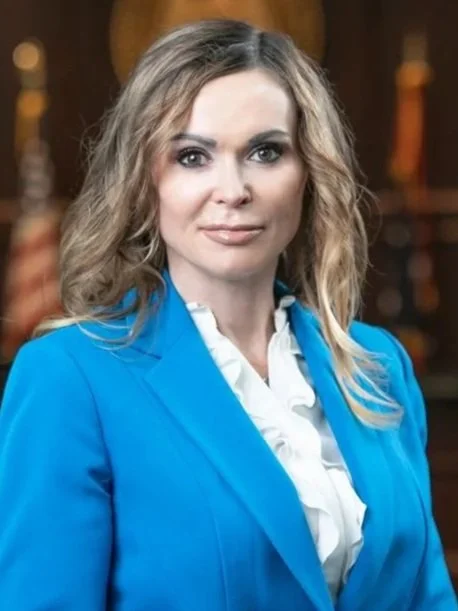
Attorney Amy Pietrowski

CLIENT TESTIMONIALS
Disclaimer: Testimonials are from former clients. They do not constitute a guarantee, warranty, or prediction regarding the outcome of your legal matter. They may not represent a similar case type. A prospective client may not obtain the same or similar results.


PLAN TODAY. PROTECT TOMORROW.
Make your wishes clear and give the people you love a plan they can follow.